
Fast, Reliable Spray Foam Insulation Across Glendora
Spray foam insulation in Glendora typically costs $2,800 – $5,600 for a full attic application, with rim joist work running $1,200 – $2,400 and garage ceiling projects between $900 and $2,100. If you’re losing conditioned air through an under-insulated attic or dealing with rooms that never hold temperature, we can usually get a crew to your Glendora home within 48 hours. Hometown Insulation Co has been working in the San Gabriel foothills long enough to know exactly what these homes need. Call (877) 265-9918 and we’ll give you an honest read on what’s actually going on up there.
Why Hometown Insulation Co Is Glendora’s Preferred Spray Foam Insulation Company
We’re an insulation specialist. That means every job we take in Glendora, whether it’s a 1950s tract home near Citrus College or a hillside property off Sierra Madre Avenue, gets handled by a crew that does nothing else. No roofing. No HVAC. Just insulation. Our technicians know the difference between what a mid-century ranch on Arrow Highway needs versus a citrus-era bungalow near the historic downtown core, and they know because they’ve crawled through hundreds of attics just like yours.
Glendora homeowners call us for one reason usually: their attic is baking in summer, their heating bill spikes in winter, and someone told them spray foam might fix both. We carry open-cell and closed-cell options from Icynene and Demilec, so the recommendation comes from what your home needs, not what’s easiest to install. Nate Cervantes, our lead, has built a team that speaks plainly about this stuff. When we tell a Glendora customer that their settled fiberglass batts need to come out before foam goes in, we’re not upselling. We’re describing what we saw with our own eyes.
Spray Foam Insulation Contractors in Glendora
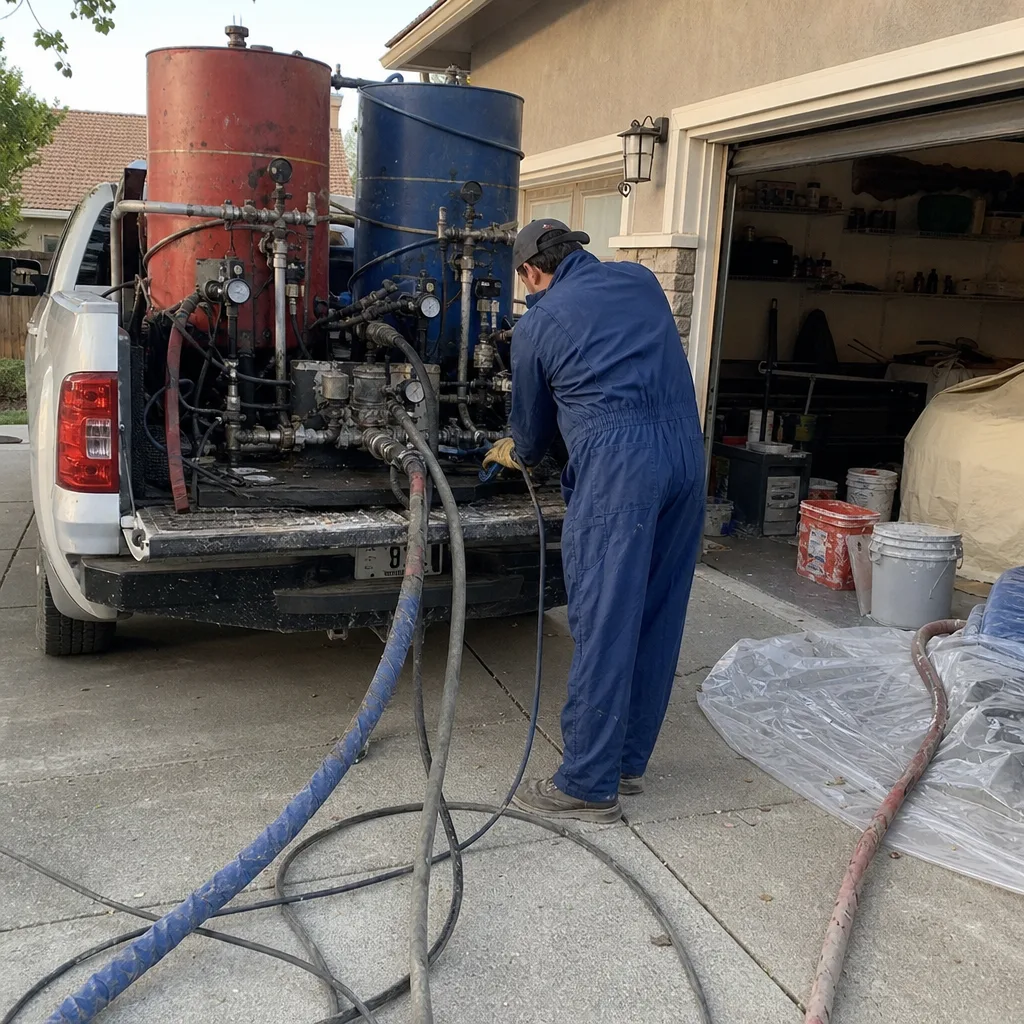
Spray Foam Insulation Contractors in Glendora handle everything from small rim joist sealing jobs to full attic envelope upgrades. The work involves clearing or removing old insulation, prepping the substrate, air-sealing penetrations like wiring and top plates, and applying foam at the right depth for the space. In Glendora, the wind and heat make this prep work non-negotiable. A typical attic spray foam job here runs $2,800 – $5,600 depending on square footage and foam type.
When to Call a Contractor
You’ll know it’s time when your upstairs rooms run 8 – 10 degrees warmer than downstairs in July, or when you can feel a draft near ceiling fixtures in December. Glendora’s foothill homes often have attic insulation that settled decades ago, which means the thermal barrier is practically gone. Closed-cell foam on the roof deck solves both the heat gain and the draft in one application.
Open-Cell vs. Closed-Cell for Glendora Homes
Open-cell foam runs about $1.50 – $2.50 per board foot installed and works well for interior wall cavities and sound control. Closed-cell costs $2.50 – $4.00 per board foot and adds structural rigidity plus a vapor barrier, which matters in older Glendora homes with unsealed wall cavities. For roof decks in this climate, we usually recommend closed-cell because it handles the extreme temperature swings better.
Spray Foam Attic Insulation in Glendora
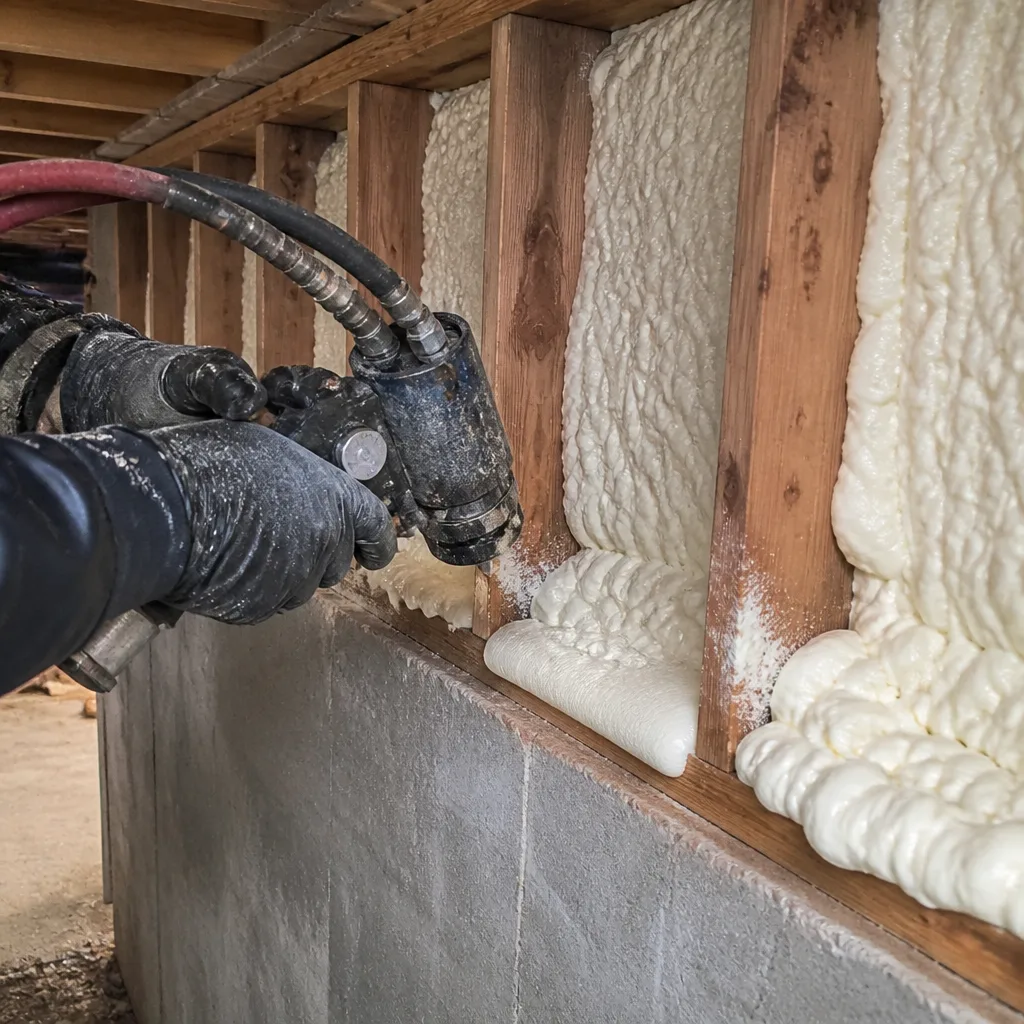
Spray Foam Attic Insulation in Glendora is the most effective way to stop the heat exchange happening between your living space and the outside air through the attic. On a typical Glendora ranch, that means removing settled or wind-drifted insulation, air-sealing every ceiling penetration, and applying foam directly to the underside of the roof deck. This turns the attic into conditioned space, which matters when summer temperatures in the foothills push attic temps past 140 degrees. Attic spray foam jobs in Glendora run $2,800 – $5,600 for a standard 1,200 – 1,800 square foot home.
The Wind-Scour Problem
We see this constantly in the higher-elevation neighborhoods near the mountain base. Santa Ana winds push through soffit vents and literally move blown-in insulation toward one side of the attic, leaving bare spots where heat pours in. Before foam can be applied, that drifted insulation has to be leveled or removed and the ventilation path corrected. Skipping this step causes adhesion failure and uneven foam coverage within two seasons.
Ventilation Before Foam
If you’re converting a vented attic to a sealed one, the existing soffit and ridge vents have to be addressed first. In Glendora’s older homes, those vents are often clogged with wind-driven debris, dust, and dead leaves from decades of Santa Ana events. Foaming over clogged vents traps moisture and creates exactly the kind of attic environment that causes rot. Our crew checks every vent before touching the foam gun.
Trusted Brands We Service in Glendora
We install Icynene and Demilec spray foam products, and we carry GreenFiber cellulose for Glendora homeowners who want a recycled-content option in areas where foam isn’t the right fit. We also stock Owens Corning and Johns Manville batt products for hybrid approaches, which makes sense in some mid-century homes that only need targeted air-sealing plus a batt top-up. Having eight brands under one roof means we never have to force a square peg into a round hole. If your Glendora attic calls for closed-cell foam on the roof deck but cellulose in the walls, that’s what we’ll do. You get the right material for each part of your home, not a single-brand pitch.

Common Spray Foam Insulation Problems We See in Glendora Homes
- Adhesion failure from wind-drifted insulation. Santa Ana winds push blown-in insulation to one side of the attic, and spray foam applied directly over that uneven surface won’t bond properly. We level or remove the drift first, which most contractors skip.
- Clogged soffit and ridge vents sealed over. Older Glendora homes accumulate decades of wind-blown dust and debris in ventilation channels. Foaming over these without clearing them traps moisture against the roof sheathing, which leads to rot and mold within a few years.
- Low-density foam near knob-and-tube wiring. Citrus-era bungalows in the historic downtown area sometimes still have active knob-and-tube circuits. Open-cell foam applied directly over live ungrounded wiring creates a fire hazard and violates local code. Wiring must be assessed and addressed before the foam goes in.
- Incorrect foam type for the roof pitch. Foothill homes with shallow-pitch roofs and limited attic access need closed-cell foam for its higher R-value per inch. Open-cell foam in those tight cavities doesn’t deliver enough thermal resistance, and the homeowner ends up with the same energy bills and a new expensive coating.
Pricing for Spray Foam Insulation in Glendora, CA
A full spray foam attic in Glendora runs $2,800 – $5,600. Rim joist sealing, which matters in raised-foundation ranch homes from the 1950s and 60s, runs $1,200 – $2,400 for a typical 1,500 square foot house. Garage ceiling foam, which helps if you have a bedroom above the garage, runs $900 – $2,100. What moves the number: square footage, foam type, how much old insulation needs removal, and whether air-sealing is already done. If your attic has wind-drifted blown-in material, removal adds labor but saves the job from failing. Call (877) 265-9918 and we’ll walk the space, take measurements, and give you a written number with no obligation.
We Also Serve Cities Near Glendora
If you live just outside Glendora, we work across the foothill communities every week. Hometown Insulation Co serves Glendora plus Azusa, Citrus, Covina, and Irwindale, with the same local knowledge and the same materials. Our Spray Foam Insulation team can get to your neighborhood fast, whether you’re near the citrus packing house in Covina or up against the hills in Azusa.
Serving Glendora, CA — Our Local Coverage Area
We’re based in the Glendora area and know this community well. Use the map below to see our service coverage — if you’re nearby, we can almost certainly help.
FAQs About Spray Foam Insulation in Glendora
Yes, and those homes are some of our most common jobs. The existing fiberglass batts have likely settled to half their original thickness, especially along the eaves where Santa Ana winds pull air through. We remove or level the old material, air-seal the top plates and any wiring penetrations, then apply closed-cell foam to the roof deck. The result is an attic that stops fighting your HVAC system. Call (877) 265-9918 and we’ll inspect your specific attic before quoting.
Santa Ana winds create two problems for attic insulation in Glendora: they scour ventilation openings and push loose-fill insulation to one side of the attic, and they create negative pressure that pulls conditioned air out of the living space. Spray foam’s air-sealing quality directly addresses the pressure problem. But before foam can be applied, the wind-drifted insulation and clogged vents have to be corrected, which is a prep step most contractors don’t do.
If you’re going with a sealed attic approach, which means foam applied to the roof deck, the old vented-attic system gets closed off entirely. In that case you don’t upgrade ventilation; you properly seal the vents and bring the attic into the conditioned envelope. What you do need is a full inspection of existing ventilation channels to make sure there’s no active moisture buildup before sealing. Our crew checks for wind-blown debris, blocked soffit vents, and any signs of condensation before foam goes in.
Open-cell spray foam should not be applied directly over active knob-and-tube wiring, which is still present in some citrus-era bungalows near the historic downtown. The foam can trap heat around the conductors and create a fire risk. Any foam job in a home with legacy wiring requires an electrical assessment first. If the wiring is present and active, we’ll recommend an alternative insulation approach, usually mineral wool or cellulose, until the wiring can be addressed by a licensed electrician.
For a sealed attic in Glendora, we recommend closed-cell spray foam at 3.5 to 4 inches on the roof deck, which delivers roughly R-24 to R-28. That’s the right target for a climate with 100-degree summer days and cold, wind-driven winter nights. Open-cell foam would need 10+ inches to hit similar thermal numbers, which isn’t practical in most Glendora attics. The actual depth your roof needs depends on roof pitch and framing, so call (877) 265-9918 and we’ll measure it.
Glendora’s Secret: Wind-Scoured Attics Need Substrate Prep First
Here’s something most outsiders don’t know about Glendora. The homes up against the San Gabriel Mountains don’t just get hot; they get abused by wind patterns that most of Southern California never experiences. Santa Ana events funnel down the canyons and hit the foothill neighborhoods with enough force to push loose-fill insulation toward the downwind side of attics, leaving exposed ceiling drywall on the windward side. That bare spot becomes a thermal hole. Heat pours in during summer, conditioned air escapes in winter, and the homeowner just sees a bill that never makes sense.
Our crew recently foamed the attic of a 1962 ranch home in the Historic Downtown Glendora area where original fiberglass batts had collapsed to less than half their rated thickness. Wind-driven debris had packed the soffit vents solid. After clearing every vent and air-sealing the top plates, we applied two inches of closed-cell spray foam directly to the roof deck. The draft that the homeowner had felt near the hallway ceiling for fifteen years disappeared the first night. That’s what correcting substrate and ventilation before foam can do, and it’s the difference between a foam job that performs for decades and one that fails silently.
Get Your Glendora Spray Foam Quote
If your attic has been leaking heat all summer and leaking dollars all winter, let’s get eyes on it. We’ll inspect your insulation, check your ventilation, and tell you honestly whether spray foam is the right call or whether a different material makes more sense. Hometown Insulation Co serves all of Glendora, including the 91740 and 91741 zip codes. Call (877) 265-9918 for a free estimate.
Written by Nate Cervantes, Owner at Hometown Insulation Co, serving Glendora and the San Gabriel foothills.