
Reflectix Insulation in Chino, CA | Hometown Insulation Co
Reflectix insulation service in Chino comes down to one thing most companies miss: the foil only works if the attic is ventilated and air-sealed first. We’re Hometown Insulation Co, an independent Reflectix service provider serving Chino’s 91708 and 91710 ZIP codes, and we’ve spent more than a decade pulling failed radiant barriers out of Inland Empire attics. What sets our work apart here is simple: we don’t staple foil over problems and call it done. Call (877) 265-9918 and we’ll assess your attic the way it should have been built in the first place.
Why Chino Residents Choose Us for Reflectix Service
Reflectix is a material we know well because we’ve watched how it behaves in Chino’s specific conditions, from the dry Santa Ana winds to the 135°F attic afternoons in July. Nate Cervantes, our owner, grew up in Los Serranos and offers Reflectix service in Los Serranos; he learned the trade through the Building and Construction Technology program at Chaffey College before spending two-plus decades working attics across the Inland Empire foothills. That local history matters when you’re diagnosing why foil tears loose or why a radiant barrier isn’t cutting your cooling bill. We carry genuine Reflectix rolls for radiant barrier applications because foil thickness and adhesive quality genuinely matter in high-heat attics, and we do not cut corners with off-brand foil when the brand matters. For batt and blown insulation, we use quality aftermarket materials that meet California Title 24. You get honest recommendations, not a product pitch.
Common Reflectix Insulation Problems We Solve in Chino
- Foil delamination from attic heat cycling: Chino’s summers push attic temperatures past 130°F regularly, and the repeated expansion and contraction weakens the adhesive bond on Reflectix foil. By the time homeowners notice, sections have peeled away from the roof deck and stopped reflecting heat entirely.
- Tearing from dry Santa Ana winds: When soffit vents aren’t baffled properly, Santa Ana gusts push through attics and catch loose foil edges. We see torn and flapping radiant barrier in Chino tract homes all the time, and it almost always traces back to venting gaps.
- Foil installed directly over settled fiberglass: Radiant barrier needs an air gap to work. In Chino’s 1990s and 2000s homes, we regularly find builder-grade batts that have settled 15 to 25 years, and someone stapled foil right on top. The result is zero radiant performance and trapped heat.
- Perforated foil installed facing up: Dust collects on the reflective surface when perforated Reflectix faces the attic floor, killing its emissivity. Chino’s dry, dusty conditions accelerate this, and we correct the orientation or replace sections as needed.
- Staples creating conductive bridges: Fasteners driven through foil create paths for heat transfer and condensation points. In Chino’s stucco tract homes with tile roofs, we find corrosion at these bridge points where the temperature differential is most extreme.
Reflectix Service in Chino: What Local Conditions Mean for Your Equipment
Here’s what you won’t find on a generic Reflectix page. In the master-planned tracts of 91710 and 91708, builders in the late 1990s and 2000s moved fast, and the soffit vents were frequently left partially blocked by insulation. That means hot attic air can’t escape the way the design intended, so it pushes down through top-plate gaps and around recessed lights into your living space. For Reflectix owners specifically, this is the difference between a radiant barrier that works and one that just cooks up there. Any Reflectix install in a Chino tract home has to start with baffle and ventilation prep, clearing those soffit vents before the foil goes up. Otherwise you’re reflecting heat back into a space that has nowhere to send it, and your AC still runs nonstop in August. We also provide Montclair Reflectix service. In the 91710 subdivision off Chandler Street, our crew tackled a 2005 stucco home where the attic hit 135°F by noon and the Reflectix foil had torn away from the roof deck, leaving the AC struggling. We removed the loose foil, air-sealed the top plates and recessed cans, installed baffles to clear the soffit vents, then applied new Reflectix double reflective insulation with a proper air gap, dropping attic temps by 20°F and cutting summer cooling costs noticeably. That’s the sequence, and in Chino it’s non-negotiable.
Reflectix Models & Products We Service in Chino
We install and repair the full Reflectix lineup homeowners in Chino actually use: the Double Reflective Insulation Roll (R-21), perforated Radiant Barrier Foil, double-sided Attic Radiant Barrier, and Reflective Foam Core Insulation. Our approach on parts is straightforward: for radiant barrier applications, we use genuine Reflectix because the foil thickness and adhesive quality are what stand up to Chino’s attic heat. For batt or blown insulation that goes alongside it, we choose quality aftermarket brands that meet California Title 24 requirements. We stock common Reflectix roll widths locally, which means faster turnaround for Chino homeowners in 91710 and 91708 when they need a repair before the summer heat arrives. If you’re not sure which Reflectix product you have, our Reflectix sales & service page breaks down the differences, and we’re happy to identify it during a walkthrough.
Reflectix Service Pricing in Chino
Reflectix radiant barrier installation in Chino typically runs $1.50 to $3.00 per square foot for materials and labor, while foil repair on damaged sections starts around $250 to $500 depending on how much has torn loose. Attic Insulation – Chino baffle and ventilation prep, which most Chino tract homes need before foil goes up, adds $300 to $800 on average. The biggest cost driver is whether your home needs air-sealing first, and in Chino’s 2000s production-built subdivisions, that’s the rule rather than the exception. A free estimate from us includes an attic inspection where we check your soffit vents, look at what insulation is already up there, and give you a straight answer about what’s worth fixing and what isn’t. Call (877) 265-9918 to schedule one, and we’ll walk you through the numbers for your specific home.
Serving Chino, CA — Our Local Coverage Area
We’re based in the Chino area and know this community well. Use the map below to see our service coverage — if you’re nearby, we can almost certainly help.
FAQs – Reflectix Insulation in Chino
It does, but only when there’s an air gap on the reflective side and the attic can vent the heat it reflects. In Chino’s tract homes, where soffit vents are often blocked from the builder, Reflectix without baffle prep just traps heat up there and does nothing for your cooling bill. We air-seal and ventilate first, then install the foil, and that’s when you see real attic temperature drops. Call (877) 265-9918 if you want us to check whether your attic setup will actually let Reflectix do its job.
The two causes we see most in Chino are heat cycling from those 130°F-plus attic afternoons and wind catch from Santa Ana gusts pushing through un-baffled soffit vents. Both weaken the foil’s grip and tear it away from the roof deck. A proper install clears the venting and secures the foil so it’s not flapping in the breeze every time the wind picks up off the Chino Hills.
No. Laying foil directly over blown-in fiberglass or settled batts eliminates the air gap the radiant barrier needs, so the reflective surface does almost nothing. In a Chino attic with 20-year-old code-minimum insulation, the correct sequence is to air-seal the top plates, sort out the existing insulation, and then install Reflectix with proper spacing. Skipping that sequence is how we end up pulling failed foil out of 91710 homes.
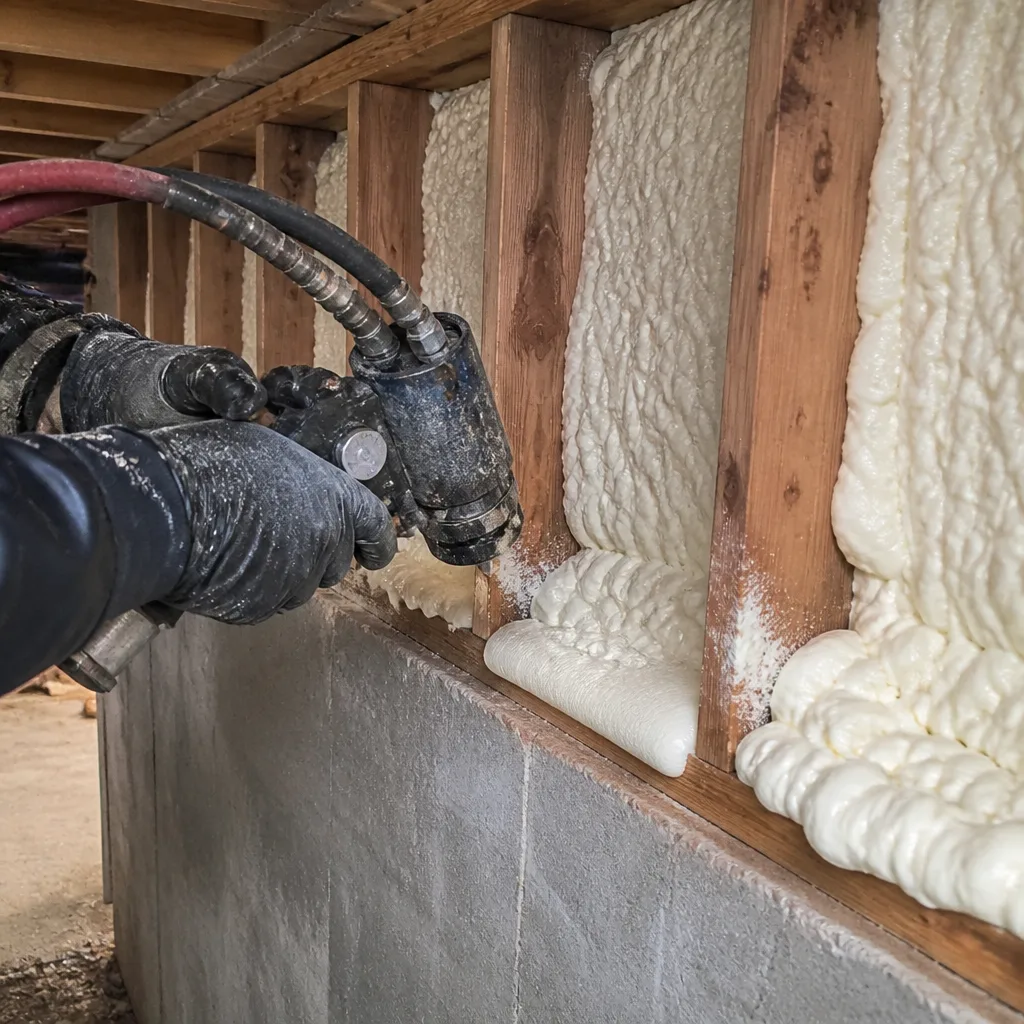
They solve different problems. Reflectix is a radiant barrier that reflects heat from the roof deck, which matters a lot in Chino’s summer when the sun bakes the tile. Spray foam, from brands like Icynene and Demilec that we carry, air-seals and insulates the attic floor or roofline directly. For many Chino tract homes, the right answer combines both: seal the top plates and recessed cans, then install a radiant barrier to handle the roof heat. We’ll tell you if one is enough for your home.
You should, and in most of Chino’s 1990s and 2000s subdivisions it’s the difference between a radiant barrier that works and one that doesn’t. Production builders skipped air-sealing at top plates and around recessed cans routinely, so hot attic air pushes down into your rooms no matter what’s reflecting up top. We seal those gaps before the foil goes up, then you’re actually keeping the heat where the foil is sending it. Call (877) 265-9918 and we’ll check your attic’s current condition for free.
Service Areas Near Chino
We work throughout the western Inland Empire from our Chino service area, and we’re regularly in Rubidoux, Fontana, Riverside, and the surrounding communities. If you’re just east or west of Chino, we also run Reflectix service in Pomona and Reflectix service in Ontario with the same seal-first approach we use here.
Book Your Reflectix Service in Chino Today
If your Chino attic is baking and the foil isn’t holding up, let’s take a look before the next heat wave. Call (877) 265-9918 for a free estimate, and we’ll come out to your home in 91708 or 91710, check the vents and the foil, and give you an honest answer. Good insulation doesn’t announce itself, you only notice it when it’s wrong.
Written by Nate Cervantes, Owner at Hometown Insulation Co, serving Chino and the Inland Empire with honest attic assessments and insulation done right.