
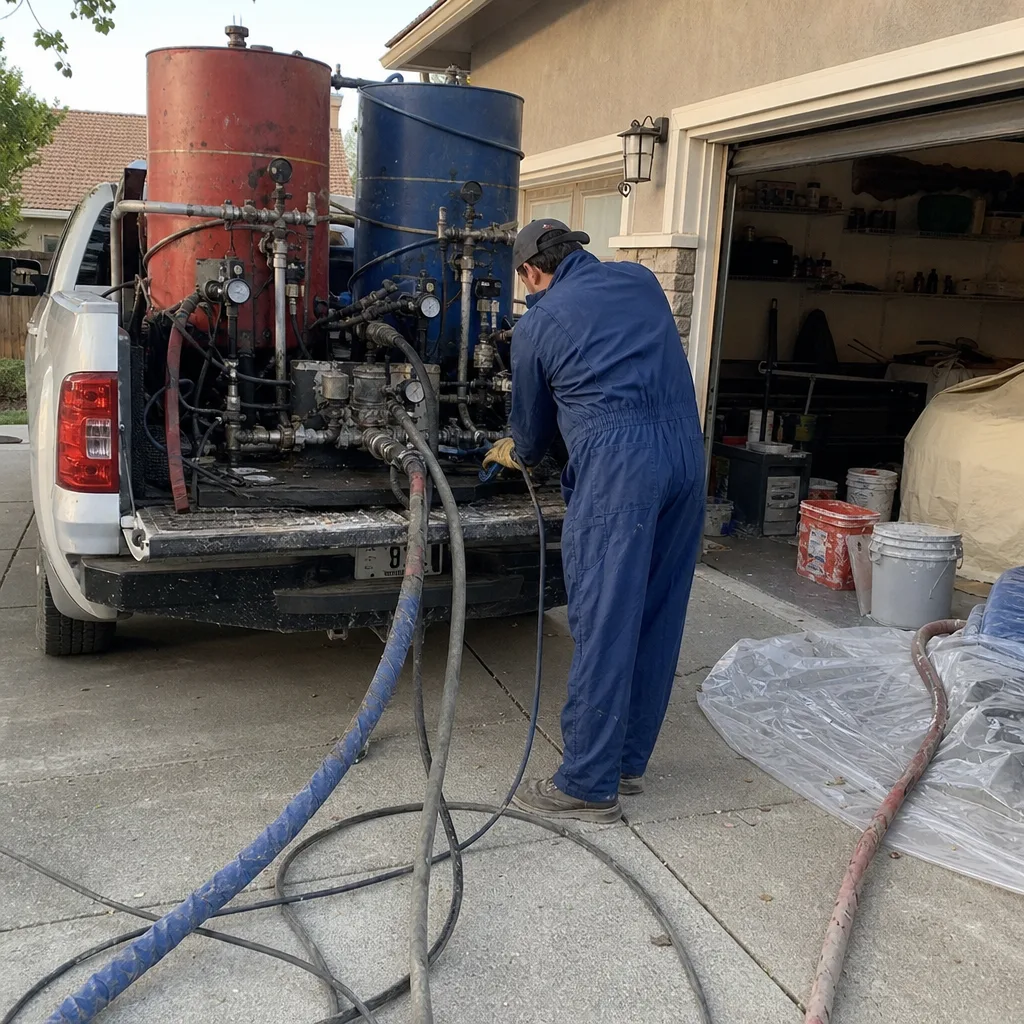
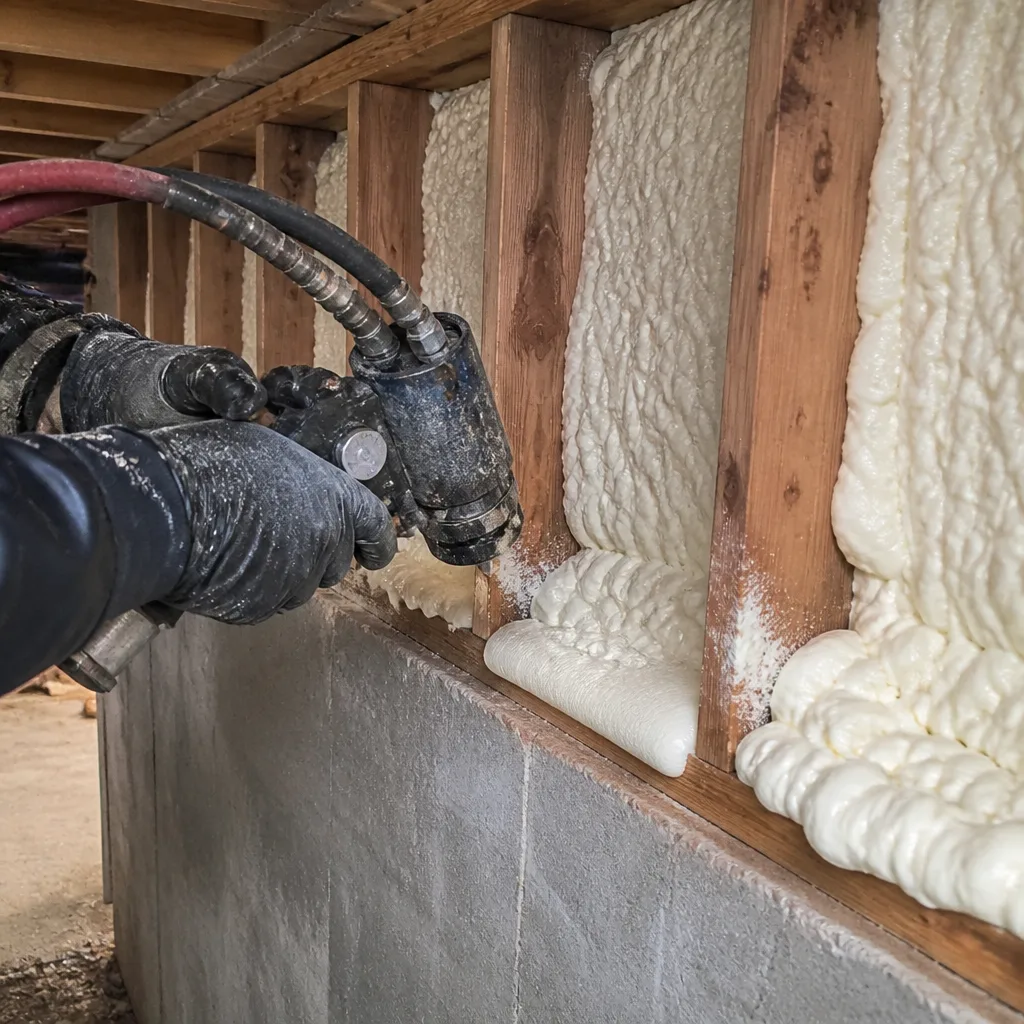
Fast, Reliable Spray Foam Insulation Across Home Gardens
Spray foam insulation in Home Gardens usually runs $2.40 to $6.10 per square foot installed, depending on whether you’re sealing an attic, rim joists, or wall cavities. Our crews work in the 92879 zip code regularly, and we schedule early-morning installs to beat the worst of the inland heat. If you’re tired of rooms that won’t hold temperature when summer days push past 100°F, call (877) 265-9918 for a straight answer and a free estimate.
Home Gardens homes weren’t built for the heat loads they now carry. Most attics here still have the original R-11 fiberglass batts from the 1960s and 70s, compressed flat and doing almost nothing. We know this housing stock because we’re in it every week. The fix isn’t always the same product or method; it’s the one that matches your roof deck, your wall cavities, and your AC load.
Why Hometown Insulation Co Is Home Gardens’s Preferred Spray Foam Insulation Company
Insulation is all we do. We’re not a roofer who also blows in some fiberglass or an HVAC contractor who adds attic work on the side. Every recommendation our team makes starts with how your Home Gardens house was built and where it’s losing conditioned air. That focus matters in older wood-frame and stucco homes, where the wrong foam choice or the wrong venting detail can cause problems years down the road.
We carry eight industry-recognized insulation brands, including Demilec and Icynene for spray foam. That means a Home Gardens homeowner gets material options driven by their attic conditions, not by whatever single brand a crew happens to stock. Nate Cervantes built the company around that fit-to-home philosophy, and our technicians apply it on every job from Corona to Norco.
Response time to Home Gardens is typically same-week, and emergency attic sealing before a heat wave is something we try hard to accommodate. Call (877) 265-9918 and you’ll talk to someone who knows the difference between stucco wall cavities and wood-frame gable ends here, not a call center reading a script.
Spray Foam Attic Insulation in Home Gardens
Spray Foam Attic Insulation in Home Gardens is the most common retrofit we do, because the dominant problem here is brutal afternoon attic heat, not winter cold. A typical attic spray foam job in Home Gardens runs $3,900 to $8,200 for a 1,200 to 1,800 square foot attic, depending on whether we’re sealing the roof deck with closed-cell foam or filling the floor with open-cell. In a mid-century Home Gardens house with bare rafters and no ridge venting, closed-cell foam against the roof deck stops radiant heat before it ever reaches your living space.
Roof Deck Sealing
Applying closed-cell Demilec foam directly to the underside of the roof deck turns the attic into semi-conditioned space. That matters in Home Gardens because an unsealed attic here can sit at 140 to 150°F by early afternoon. Sealing the deck keeps the heat out of the attic entirely, which reduces the load on your AC through every 100°F stretch.
Attic Floor Application
If your attic already has decent ventilation and you want to keep it a vented attic, open-cell foam on the attic floor is a strong option. It air-seals the ceiling plane far better than the old R-11 batts can. We see Home Gardens attics where the original fiberglass has compressed to R-4 or worse, and open-cell floor foam restores real thermal performance without changing your venting setup.
Spray Foam Wall Insulation in Home Gardens
Spray Foam Wall Insulation in Home Gardens typically runs $3,100 to $6,700 for exterior walls in an average 1,400 to 2,000 square foot stucco home. Most of the stucco-clad, wood-frame houses here were built with empty or barely insulated wall cavities. During summer, those cavities act like ovens, radiating stored heat into bedrooms well after the sun goes down. Closed-cell foam stops that heat transfer and stiffens the wall assembly at the same time.
Stucco Cavity Injection
Home Gardens stucco homes present a specific opportunity: foam can be injected into the wall cavities through the exterior, without tearing out drywall inside. We do this from the outside, preserving your interior finishes. The key detail, and one we check carefully on every job, is vapor control. Stucco doesn’t breathe much, and spraying foam thin over old fiberglass in those cavities can trap moisture without proper planning.

New Construction and Remodel Walls
For Home Gardens homeowners adding a room or opening up walls during a remodel, this is the obvious time to foam the new cavities. We use Icynene spray foam for many of these jobs because it performs well in high-heat building envelopes. The material choice is driven by the wall depth and the project’s air-sealing goals, which we’ll walk through before any work starts.
Trusted Brands We Service in Home Gardens
We install spray foam from Demilec and Icynene because those are the brands specified for high-performance residential envelopes, not entry-level jobs. For Home Gardens homeowners who want a cellulose or fiberglass alternative in certain applications, we also carry GreenFiber and Owens Corning. Carrying multiple brands isn’t about upselling. It means the recommendation doesn’t change based on what’s on the truck. We keep local stock staged for Home Gardens jobs, so turnaround on common materials is fast, not weeks out.
Common Spray Foam Insulation Problems We See in Home Gardens Homes
- Foam sprayed over old fiberglass batts. In Home Gardens attics, we regularly see closed-cell foam applied directly over compressed 1960s-era R-11 batts without removal. That traps decades of dust and any moisture against the wood deck, which leads to bubbling and adhesion failure. The old batts have to come out first.
- Blocked or improperly vented soffits. Many Home Gardens houses have soffit vents that were painted over or never installed correctly. When foam is applied without fixing that airflow, 140 to 150°F afternoon air bakes the foam surface and degrades it faster than in cooler coastal climates.
- Moisture condensing behind foam in stucco walls. Stucco-clad wall cavities with no vapor control can condense moisture behind spray foam, especially when the foam is applied thin over legacy fiberglass. This shows up as damp spots or peeling paint months after the job, which is why wall-cavity prep matters more here than most crews admit.
- Uneven foam coverage around roof penetrations. Older Home Gardens homes have plumbing vents, can lights, and old electrical penetrations that get missed during quick spray jobs. Gaps in those spots let attic heat pour into the living space, and they also let conditioned air escape, which quietly defeats the point of the retrofit.
Pricing for Spray Foam Insulation in Home Gardens, CA
Spray foam pricing in Home Gardens reflects the age of the housing stock and the heat load on the attic. Most attic jobs land between $3,900 and $8,200. Wall cavity work runs $3,100 to $6,700 for a typical stucco home. Rim joist sealing, a smaller but high-impact job, usually runs $900 to $2,300 depending on access. What moves the number is whether old insulation must be removed, how much prep the roof deck needs, and whether we’re doing closed-cell or open-cell foam. We’ll give you an itemized number before any work begins, and estimates are free. Call (877) 265-9918 to get one.
We Also Serve Cities Near Home Gardens
Our Spray Foam Insulation crew runs jobs throughout the inland corridor around Home Gardens. You’ll find us in Corona, Eastvale, Norco, and El Cerrito Corona most weeks. If you’re in one of those cities and dealing with the same attic heat, the same phone number gets you a straight answer. Learn more about our work in Home Gardens or give us a call.
Serving Home Gardens, CA — Our Local Coverage Area
We’re based in the Home Gardens area and know this community well. Use the map below to see our service coverage — if you’re nearby, we can almost certainly help.
FAQs About Spray Foam Insulation in Home Gardens
No. The old fiberglass batts should be removed before spray foam goes down. In Home Gardens attics, we routinely find R-11 batts from the 1960s and 70s that have compressed flat and are full of decades of dust. Spraying foam over them traps that material against the wood deck, which causes the foam to lose adhesion and bubble. Removal adds some labor cost, but it’s the only way the foam actually bonds and performs. Call (877) 265-9918 and we’ll check your attic before quoting.
Home Gardens sits inland in Riverside County, where summer days routinely exceed 100°F and attic spaces can hit 140 to 150°F by early afternoon. That’s radiant heat beating down through the roof deck. Closed-cell spray foam applied to the underside of the roof deck blocks that heat before it enters the attic. It keeps the attic closer to the indoor temperature, which cuts the load on your AC through every heat wave.
Yes, in many cases the venting plan has to change. If we’re sealing the roof deck with closed-cell foam, the attic becomes semi-conditioned, and you don’t want typical soffit-to-ridge venting anymore. Soffit vents often get sealed off, and we address any existing airflow issues at the gable ends. The old venting strategy was designed for fiberglass, not foam. On a mid-July morning on Apache Trail in Home Gardens, our crew sealed a 1968 wood-frame stucco ranch whose attic was still packed with compressed R-11 batts and showed 146°F by 1 p.m. We sprayed closed-cell Icynene against the roof deck and gabled the soffit vents to stop the afternoon heat load. Weeks later the homeowner’s AC was cycling far less through the 100°F stretch, which is exactly the retrofit this stock needs.
For most Home Gardens stucco homes, yes, especially if the walls were never insulated or only have thin fiberglass. The stucco exterior holds heat late into the evening, and empty wall cavities let that heat radiate inward. Injecting closed-cell foam through the exterior can cut that heat transfer and make rooms noticeably more comfortable without tearing out drywall. The important part is proper prep, because stucco doesn’t breathe much. Vapor control details matter, and we address them before spraying anything.
Yes. We start Home Gardens installs early in the morning, typically right after sunrise, and wrap before the worst of the afternoon heat hits. That’s partly for our crew’s safety and partly because foam cures better when application temperatures are controlled. We also watch the forecast closely during summer months. If a heat wave is coming, call us sooner rather than later. Attic slots fill quickly in the 92879 zip code when triple-digit days are on the way, and the number is (877) 265-9918.
Written by Nate Cervantes, owner of Hometown Insulation Co, serving Home Gardens and the surrounding inland communities.